
Questioned About a Shooting in New Jersey? Evidence Can Shape the Case
June 26, 2026
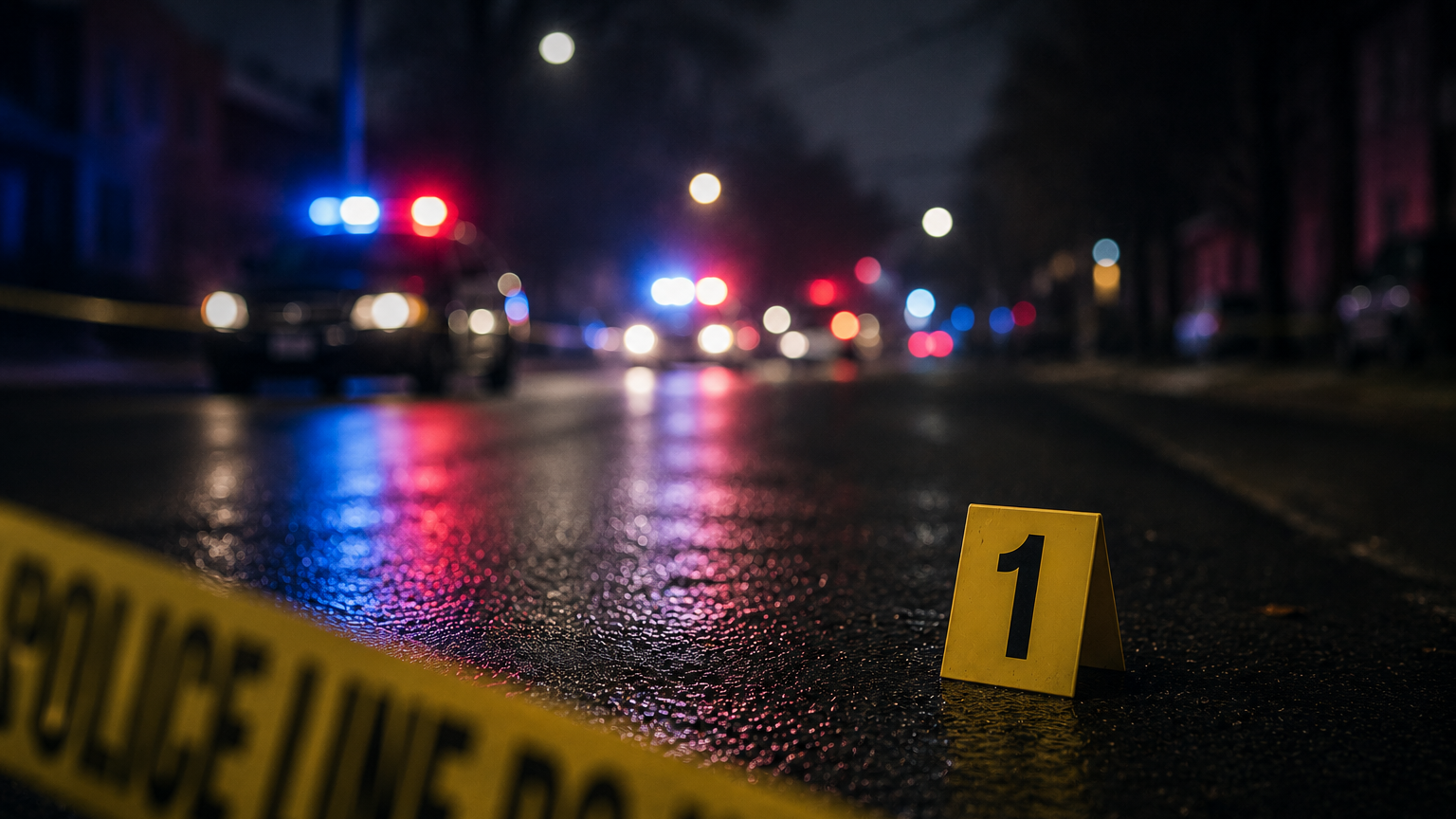
When police are investigating a shooting, the first questions can come quickly. You may get a call from a detective. An officer may come to your home. Someone may say they only want to hear what you saw, where you were, or who you were with.
If you are contacted in connection with a shooting investigation in New Jersey, that moment should be taken seriously.
You may feel pressure to respond before you understand how serious the situation may be. You may believe you have nothing to worry about because you have not been charged. But in a serious criminal investigation, early statements, timelines, phone records, video footage, and other evidence can affect how police and prosecutors view the case.
An investigation is not a conviction. Being questioned is not proof of guilt. But what happens early can affect the direction of the entire case.
Being Questioned Does Not Always Mean You Know Where You Stand
Many people assume there are only two categories in a criminal investigation: witness or suspect. In reality, the line may not always feel clear to the person being questioned.
A recent shooting investigation in Trenton shows how quickly these cases can develop while many facts remain unknown to the public. According to 6abc Action News, seven people were wounded in a late-night shooting in Trenton, including two teenagers, and police said the investigation remained active at the time of the report.
That kind of report naturally raises concern in the community. It also shows why being contacted by police during a shooting investigation should not be treated as a routine conversation.
Police may begin with questions that sound simple: Where were you? Who were you with? Did you hear anything? Did you see a car leave the area? Do you know this person? Can we look at your phone?
You may believe you are simply helping. You may feel pressure to explain yourself, clear up a misunderstanding, or prove that you had nothing to do with anything. That instinct is understandable, especially when the investigation involves violence, injuries, and community concern.
But in a shooting investigation, even small details can matter. A timeline, a text message, a social media post, a location record, or a statement made during a casual conversation can later become part of the State’s case.
This does not mean you should panic. It means you should get legal guidance before making decisions that may affect your case.
What Evidence May Matter in a New Jersey Shooting Investigation?
Shooting investigations rarely turn on one fact alone. Police and prosecutors may look at the scene, the people nearby, digital records, physical evidence, and statements made before or after the incident.
Evidence that may become important includes:
- Witness statements: What people say they saw or heard can shape the investigation, but witness accounts may be incomplete, inconsistent, or influenced by stress.
- Surveillance video: Cameras from homes, businesses, traffic areas, parking lots, and nearby buildings may help establish timing, movement, vehicles, or clothing.
- Shell casings and firearms evidence: Investigators may examine where casings were found, how many shots may have been fired, and whether ballistic evidence can be connected to a firearm.
- Phone and location data: Call logs, text messages, app data, and location information may be reviewed to build a timeline, depending on what police obtain and how they obtain it.
- Social media activity: Posts, messages, videos, photos, and comments may be taken out of context if they are not carefully reviewed.
- Vehicle evidence: Police may look at vehicles seen near the area, vehicles struck by gunfire, license plate information, or damage.
- Statements to police: What you say to officers or detectives can become evidence, even if you thought the conversation was informal.
The key point is simple: evidence has to be tested, connected to the person accused, and placed in context. It cannot be treated as proof simply because the police believe it is important.
Suspicion Is Not the Same as Proof
A person may be near a location without being involved. A person may know someone connected to an investigation without participating in any crime. A person may be seen on video without the video showing what prosecutors claim it shows. A statement may sound damaging until the full context is understood.
That is why these cases require careful review.
At The Law Office of John B. Brennan, that review starts with the evidence, not assumptions. As a criminal defense lawyer and Certified Criminal Trial Attorney, I look closely at how the State is trying to connect the facts to the allegations. I want to know what the evidence actually shows, what it does not show, how it was collected, whether constitutional rights were respected, and whether there are gaps in the State’s theory.
I also understand that serious criminal investigations can move fast. Police may be collecting statements, reviewing video, seeking warrants, and comparing timelines before charges are ever filed.
If you wait until the case is already moving through court, opportunities to address statements, evidence issues, warrants, or defense strategy may be missed.
What Should You Do if Police Want to Question You?
If police contact you about a shooting in New Jersey, do not assume the conversation is harmless because you have not been charged. Do not try to talk your way out of suspicion. Do not guess, fill in blanks, or explain things you do not fully understand.
You have rights. Using those rights does not make you guilty.
At the same time, you should not lie to the police, destroy evidence, delete communications, pressure witnesses, or do anything that could be viewed as interfering with an investigation.
Before answering questions, giving a statement, handing over your phone, or agreeing to an interview, it is wise to speak with a New Jersey criminal defense attorney. A lawyer can help you understand the situation, assess the risks, and avoid decisions that could create problems later.
That guidance is especially important when an investigation involves a shooting, firearms, injuries, or allegations that may carry serious criminal exposure. In New Jersey, that could include aggravated assault under N.J.S.A. 2C:12-1, unlawful possession of a weapon, possession of a weapon for an unlawful purpose, conspiracy, or related offenses.
The specific charges will depend on what happened, the extent of any injuries, and what the evidence actually shows.
Speak With a New Jersey Criminal Defense Lawyer Before You Talk to the Police
If you have been questioned about a shooting in New Jersey, or if you believe police may want to speak with you, do not try to handle that conversation alone.
I defend people facing serious criminal accusations in Burlington County and across South Jersey, including Camden County, Gloucester County, Mercer County, and throughout New Jersey. As a former prosecutor and Certified Criminal Trial Attorney, I understand how the State investigates violent crimes, how prosecutors build cases, and how evidence must be tested before conclusions are reached.
If police have contacted you, if someone close to you has been accused, or if you are worried that your name may come up in a shooting investigation, do not wait to understand your rights. Contact The Law Office of John B. Brennan to discuss your situation and learn what steps may help protect your rights, your freedom, and your future.
Disclaimer: The articles on this blog are for informative purposes only and are no substitute for legal advice or an attorney-client relationship. If you are seeking legal advice, please contact the law firm directly.